The Crownpoint Rug Auction Roars Back
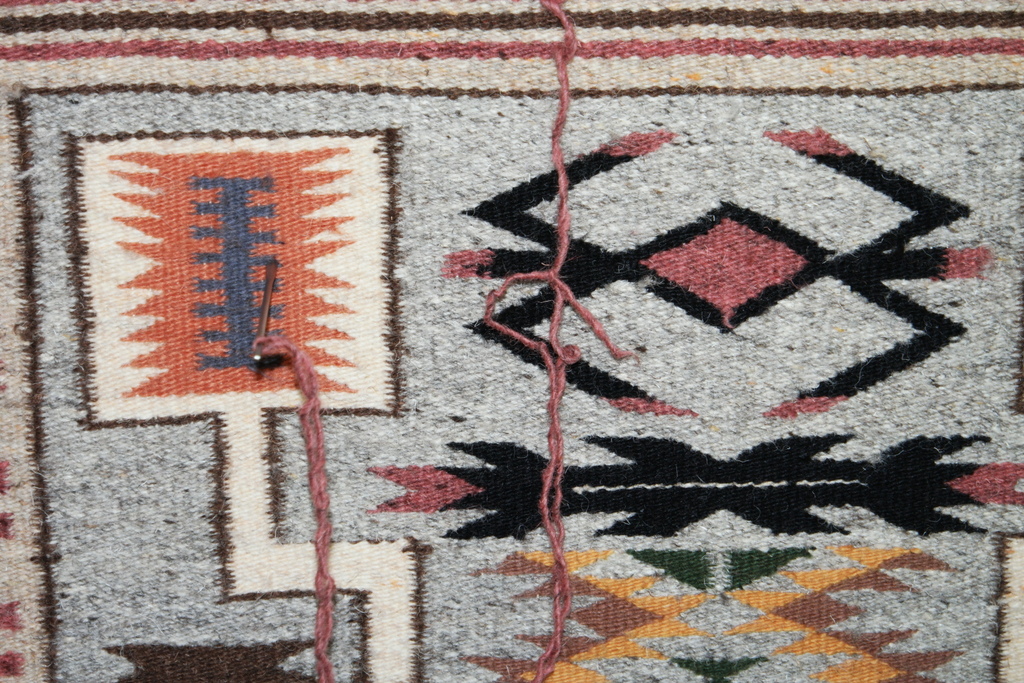
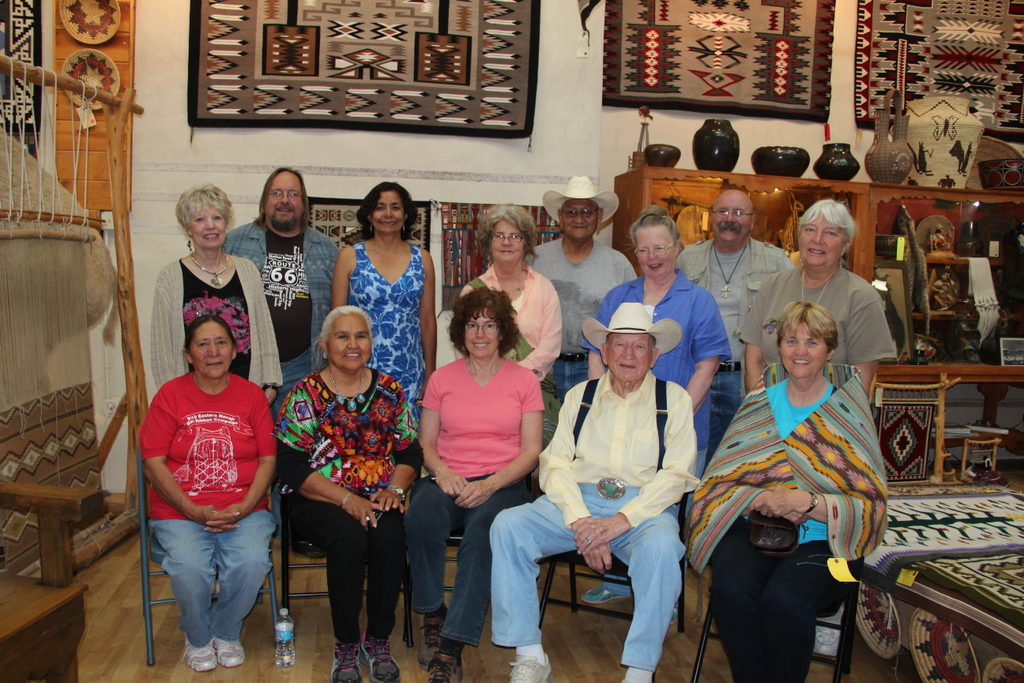
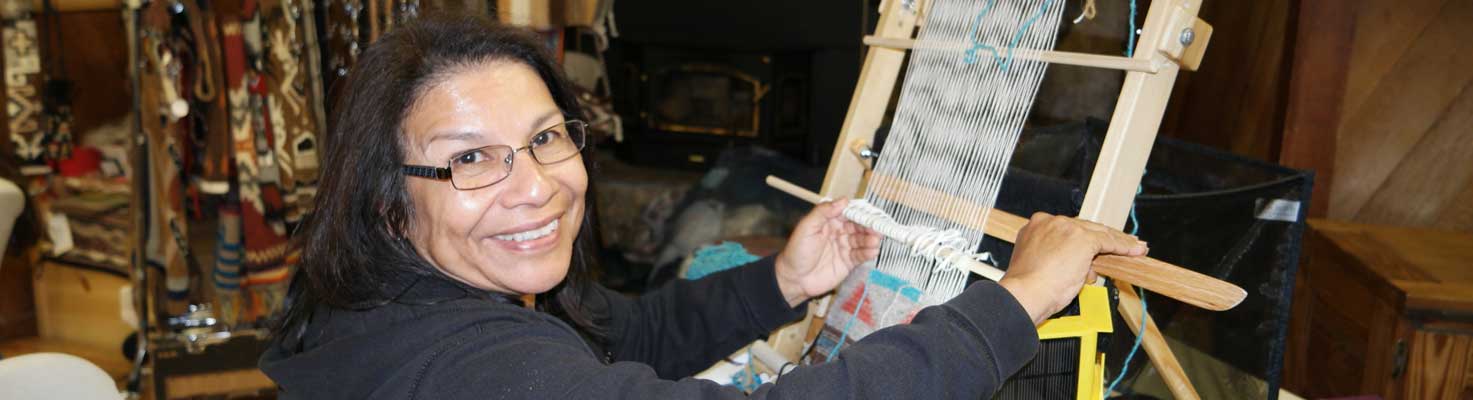
In August of 2014, the Crownpoint Rug Auction was cancelled as the result of financial mismanagement. The situation jeopardized the auction, a source of income for 100+ Navajo weavers. Crownpoint community leaders, the auctioneers, and concerned buyers formed a new association… Read more about the Crownpoint Rug Auction

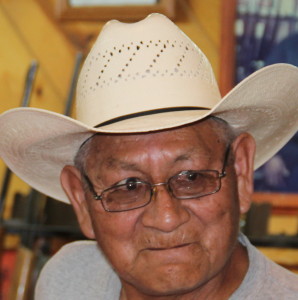
Good-bye to Herman Brown, a Master Weaver and a Good Friend
A tribute to master Navajo weaver Herman Brown, who died on September 07, 2015. Herman was renowned for his American flag miniature Navajo rugs. Read about Herman.
Weaving in Beauty on Facebook


Weaving in Beauty
Weaving in Beauty is dedicated to expanding the appreciation and knowledge of the textiles of the Na

When a Navajo family loses a member, the family and close friends gather to contribute to the final expenses. Our Weaving in Beauty family has lost one of our younger members, Ryan Largo, who passed away last week in Denver at the age of 26.
Ryan was the grandson of Rose Gorman Dedman and Henry Lee Dedman. Ryan had beaten cancer twice in his young life, but he died from complications of the severe strain of the flu that we've had in our area.
Rose and Henry hosted many years of natural dye classes and cookouts for our weaving groups at their home and the Quality Inn in Window Rock. Henry made almost all of the tools we used in class then. Ryan often helped his grandfather build looms and make weaving tools. Ryan even made and sold tools himself.
Ryan's mother, Sheila Largo, and his grandmother, Rose, have asked us to share the news about Ryan and ask any of you who would like to contribute to the funeral fund to do that through Sheila's Zelle account at 505-317-8828.
On behalf of Sheila and Rose, thanks!

Some of the acts were doing sound checks yesterday at the theater. They sounded great, and this is a wonderful cause. All proceeds go straight to Youth Shelters & Family Services. They do great work with unhoused youth in our community.
New Mexico State Police Officer Murdered on Interstate 40 Near Tucumcari
Quay County, NM - On Friday, March 15, 2024, at around 5:00 a.m., New Mexico State Police Officer Justin Hare was dispatched to Interstate 40, near milepost 318, to assist a motorist in a white BMW who had a flat tire and was attempting to wave down other motorists.
When Officer Hare arrived, he parked behind the disabled vehicle. The suspect, later identified as Jaremy Alexander Smith (DOB: 10/14/90) exited his vehicle and approached Officer Hare's passenger side window. A short conversation ensued about repairing his tire when, without warning, Smith pulled out a firearm and shot Officer Hare.
Smith then walked to the driver's side and shot Officer Hare again. Smith then pushed Officer Hare into the passenger seat and drove away in Officer Hare's patrol unit. After calls from dispatch to Officer Hare went unanswered, an additional NMSP officer was dispatched to assist.
While the assisting officer responded to the area, Officer Hare's duress signal began to go off. The duress signal is an emergency function of the officer's handheld radio that the officer can activate, and it sends an emergency signal to dispatch.
As the assisting officer continued to the scene, he saw Officer Hare's patrol unit driving westbound at a high rate of speed along the frontage road of Interstate 40 near milepost 312. The officer took the next exit to get on the frontage road and attempted to catch up to Officer Hare's unit. When the officer caught up with the patrol unit, it had been crashed on the frontage road near milepost 304 on Interstate 40.
The assisting officer approached Officer Hare's patrol unit to find it empty. Smith apparently fled on foot and is still at large. Officer Hare was later located on the frontage road to Interstate 40 around milepost 312. He was transported via ambulance to an area hospital, where he succumbed to his injuries. He was pronounced deceased at 7:21 a.m.
The New Mexico State Police is currently attempting to locate Jaremy Alexander Smith and bring him to justice for the murder of New Mexico State Police Officer Justin Hare.
Smith has an extensive criminal history in South Carolina to include:
• Taking Hostages and Rioting in Jail
• Burglary
• Breaking and Entering
• Armed Robbery
• Resisting Evading Police Officers
• Auto Theft
• Shooting at or from a Motor Vehicle
• Armed Robbery
• Person of Interest in Murder of South Carolina Paramedic Phenesia Machado-Fore.
New Mexico State Police asks that anyone with information contact the New Mexico State Police at (505) 425-6771. Smith should not be approached and is considered armed and dangerous.
Here is our schedule as of right now! Our week-long classes for 2023 are almost full.